Duck Duck Goose Wildlife Control for Reliable Wildlife Solutions
Efficient Creature Control: Shield Your Home and Land
Proper wildlife removal is critical for property owners confronted with multiple dangers from wildlife invasions. These intrusions can result in major home damage and safety concerns. Understanding the importance of addressing wildlife issues is essential. Understanding the telltale signs and knowing when to hire expert professionals can be transformative. But what are the most common animal intruders, and how can one effectively protect from them? The answers may astonish you.
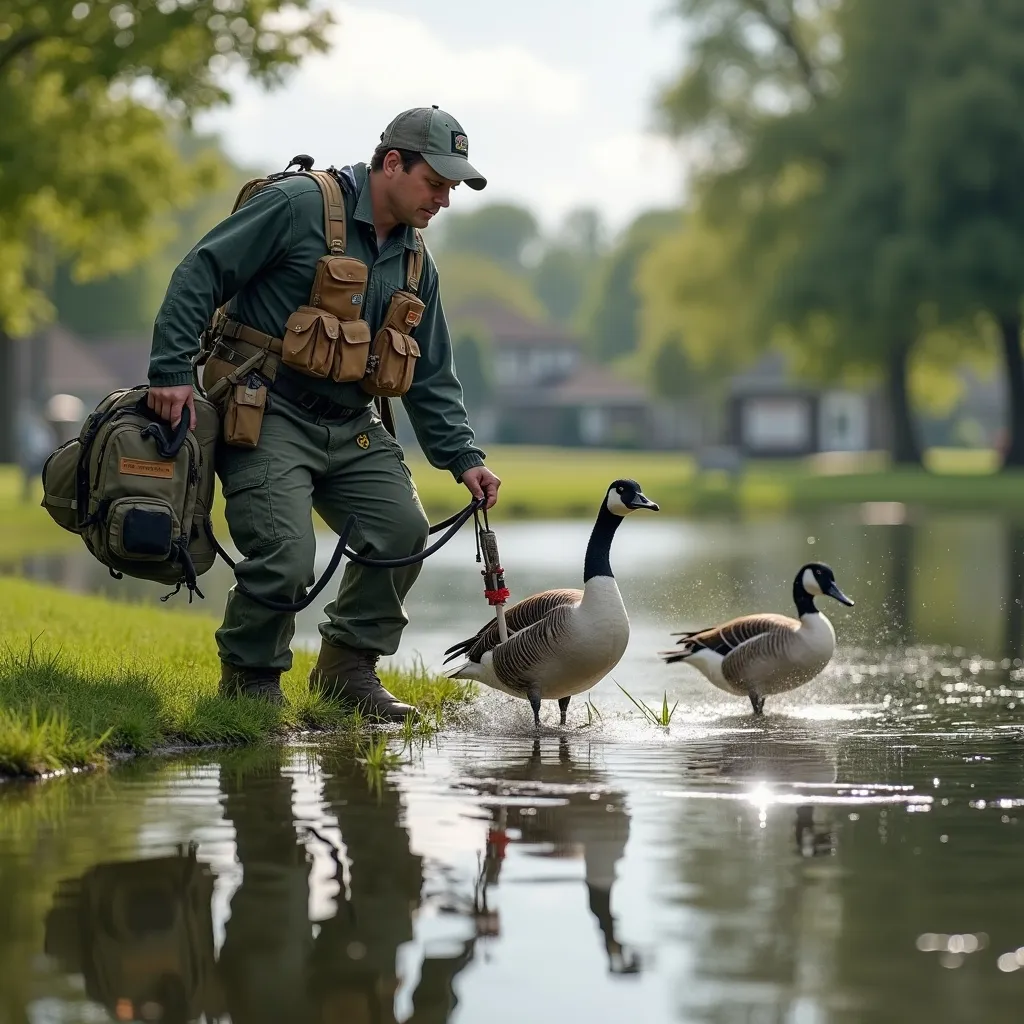
Why You Should Swift Action Against Wildlife Intrusions
Wildlife intrusions can intensify rapidly, resulting in notable damage and health risks. When animals enter residential areas, they can undermine structural integrity, chew through wiring, and contaminate food sources. Furthermore, the presence of wildlife can transmit diseases, presenting serious health threats to both humans and pets. Immediate intervention is vital to reduce these risks and avoid further complications.
Failing to address the matter may produce costly maintenance and substantial restoration work. Additionally, certain species are capable of reproduce rapidly, increasing the population and exacerbating the situation. Prompt action not only protects property but also ensures a more secure habitat.
Engaging expert wildlife control can provide efficient strategies tailored to unique creature difficulties. Prompt action is necessary to restore peace of mind and safeguard homes from the erratic behavior of wildlife trespassing. Ultimately, swift response measures can significantly decrease the potential for lasting damage and health hazards linked to these encroachments.
Clues That You Possess a Wildlife Problem
How can a person tell if a wildlife problem is lurking nearby? Multiple indicators can indicate the presence of unwanted creatures. Property owners may hear strange noises, such as clawing or scurrying noises, especially at nighttime. Additionally, droppings or footprints may appear around the property, exposing the type of animals present. Damage to materials, electrical lines, or wood structures can also signal an intrusion, as numerous creatures seek shelter in upper spaces or crawl spaces.
One sign includes eaten food packaging or overturned garbage, demonstrating foraging behavior. Likewise, openings or tunnels near the foundation may point to entry points for pests. Strange smell, often tied to dwelling or waste, can be a notable warning. Recognizing these signs early is vital for proper control and safeguarding, making sure that homeowners can take action appropriately before the situation intensifies.
Primary Strengths of Professional Wildlife Extraction Options
Hiring professional wildlife removal services delivers many benefits for homeowners dealing with unwanted associated article animal intrusions. First and foremost, experts offer expert insight and expertise, ensuring secure and efficient elimination of wildlife without inflicting damage to the animals or the property. These professionals utilize advanced techniques and tools, which can address complex situations that homeowners might not be equipped to handle.
Additionally, professional services frequently deliver detailed examinations to pinpoint likely access routes, aiding in prevention of upcoming pest problems. This forward-thinking method not only eases current worries but also protects the home over the long term. Furthermore, many wildlife removal companies extend coverage plans or promises, providing homeowners peace of mind.
Lastly, relying on professionals decreases the threat of damage from wildlife encounters, ensuring a safer space for families and pets. Overall, choosing professional wildlife removal can reduce time, pressure, and potential property damage.
Pinpointing Standard Wildlife Invaders in Your Living Space
Homeowners frequently face various types of wildlife that can invade their living spaces, each creating distinct problems. Common intruders consist of raccoons, squirrels, and rodents, which can wreak havoc if not addressed promptly. Raccoons are notorious for pillaging attics and basements, drawn to food sources or shelter. Squirrels often settle in roofs or eaves, causing possible harm to the structure. Rodents, such as mice and rats, can invade homes in pursuit of food, depositing droppings and contaminating living areas.
Furthermore, avians may get in through open vents or chimneys, creating noise and mess. Each type poses particular dangers, such as spreading illness and damaging your home. Recognizing the indicators of these intrusions—such as droppings, nesting materials, or scratching sounds—can help property owners take quick measures. Early identification is crucial in avoiding further complications and maintaining a secure and healthy living environment.
Doing It Yourself compared to Professional: Which Option Is Best?
When reviewing pest control, individuals often evaluate the benefits of self-service options as opposed to professional services. Cost, safety, and long-term effectiveness are vital considerations shaping this decision. Grasping these components can enable residents reach an well-researched decision that ideally suits their needs.
Cost Aspects For Extraction
Deciding between do-it-yourself wildlife removal and hiring a specialist can greatly influence both time management and costs. DIY methods often appear cost-effective, as they usually entail minimal upfront expenses, such as obtaining traps or deterrents. However, hidden costs might result from possible harm or repeated occurrences. In contrast, experts commonly require a higher initial fee but deliver expertise, efficiency, and a guarantee of results. Specialists hold the necessary tools and knowledge to deal with different animals safely and effectively, potentially protecting homeowners from expensive errors. Ultimately, the choice depends on individual circumstances, including financial means, urgency, and the intricacy of the problem. Evaluating these aspects fosters better decision-making.
Safety and Health Dangers
Taking part in wildlife removal presents important hazards related to safety and health, notably when people attempt it without help. Untrained persons may face aggressive animals, causing potential bites or injuries. Also, many wildlife species carry diseases such as rabies, hantavirus, or leptospirosis, imposing significant health dangers to those unready to handle them. Improper handling may also result in exposure to parasites like ticks or fleas, further threatening health. On the other hand, professional animal removal experts come with the necessary skills, equipment, and information to reduce these risks effectively. They observe safety protocols, protecting both animals and humans. In summary, the skills of professionals reduce the likelihood of accidents and health complications connected to wildlife removal.
Ongoing Efficiency Influences
The long-term effectiveness of animal control methods copyrights on various factors, especially when comparing DIY methods with professional services. DIY techniques often miss the knowledge and equipment required for thorough removal and prevention, leading to repeated pest problems. Homeowners may inadvertently overlook entry points or fail to recognize the signs of a larger problem. In contrast, experts possess advanced expertise and knowledge, enabling them to identify and address problems more effectively. They also implement protective strategies to reduce upcoming dangers. Financial factors may drive individuals toward DIY options, but spending money on professional services can yield superior lasting outcomes. Ultimately, the decision between DIY and professional assistance should be guided by the difficulty of the animal control issue and the homeowner's willingness to invest in a sustainable solution.
Reliable Approaches for Preventing Wildlife Encroachments
Developing reliable approaches to minimize animal invasions is imperative for preserving a safe and peaceful setting. Homeowners should move forward by fortifying accessible openings and gaps. This requires sealing gaps in footings, structural walls, and roof areas, in addition to mounting protective coverings on exhaust vents and fireplace chimneys. Moreover, eliminating available food is paramount; responsibly containing refuse and removing leftover animal feed can prevent animals from getting close.
Landscaping constitutes an essential part. Maintaining trees cut back and sustaining a clean yard reduces places where wildlife can hide. Additionally, applying natural deterrents, including sensor-based lights or noise devices, can effectively discourage animals from accessing the property.
Regular assessments of the home and adjacent environment enable the early detection of possible concerns. In the end, educating household members about wildlife patterns cultivates consciousness, permitting preventive actions to be executed. By adopting these methods, homeowners can significantly reduce the chance of undesired wildlife intrusions.
What Happens During a Wildlife Removal Service?
During a wildlife removal service, specialists commence with a detailed initial examination to identify the extent of the situation. Following the assessment, compassionate capture methods are employed to safely capture the pests. Finally, post-removal prevention steps make certain that upcoming invasions are minimized, shielding the building from further wildlife issues.
Preliminary Examination Method
Expert wildlife removal begins with a detailed inspection of your property to find signs of infestation and potential access points. Skilled technicians systematically examine both interior and exterior of your property, looking for droppings, nests, or damaged insulation that shows animals are present. They also examine the building's structural condition, inspecting for openings in eaves, vents, and foundations that could allow wildlife access. This initial assessment might use specific tools to detect concealed issues. The information obtained from this inspection plays a vital role in creating a personalized removal strategy, ensuring that your solution addresses your specific wildlife problem while minimizing risks to the property and people living there.
Compassionate Trapping Approaches
Many animal control companies emphasize ethical capture techniques to guarantee the safe relocation of animals. These professionals use cage traps created to catch wildlife safely. Generally, food is placed to lure the animal, ensuring it steps into the cage willingly. After being caught, the animal is monitored to reduce anxiety and discomfort.
After capturing the creature, the service assesses its health and behavior before relocation. This process often involves moving the animal to a designated area far from human habitation, making certain it is able to thrive in a suitable environment. Throughout this method, the attention continues on the care of the creature, obeying local rules and ethical standards. By choosing humane trapping, services promote a harmonious coexistence between humans and wildlife.
Steps to Prevent Issues Following Extraction
Once the wildlife has been successfully removed, the next essential phase focuses on prevention to ensure that comparable problems do not arise in the future. This involves a comprehensive examination of the property to detect potential entry points, such as gaps in roofing, vents, or foundation areas. Sealing these gaps with appropriate materials is crucial to deter subsequent wildlife. Furthermore, homeowners are advised to maintain a tidy space by removing food sources and waste that could attract wildlife. Installing protective structures, such as fencing or mesh barriers, can further safeguard vulnerable areas. Consistent maintenance and observation of the property verify that any signs of wildlife activity are addressed promptly, safeguarding both home and property from subsequent wildlife invasions.
Common Inquiries Posed Frequently
What Local Regulations Govern Animal Control Services?
Local regulations for animal removal operations typically require permits, compliance with humane practices, and compliance with state laws regarding particular animals. These regulations guarantee the protection of each of the wildlife and the community's well-being and security.
In What Ways Can I Securely Prevent Animals from Trespassing Without Harming Them?
To safely deter wildlife, one can use non-lethal methods including motion-activated lights, natural repellents, and locked trash bins. Additionally, maintaining a clean environment lessens attractants, prompting creatures to find alternative habitats.
Specific Periods of the Year Bring More Fauna Intrusions — But When Exactly?
Wildlife intrusions tend to peak during spring and fall. Spring brings young animals seeking food, while fall often sees creatures seeking warmth and shelter, increasing the likelihood of meetings with human habitats during these seasons.
What Actions Can I Take if I Locate Parentless Wildlife?
Upon finding orphaned wildlife, you must watch from afar, refrain from direct handling, and reach out to regional animal care facilities or authorities for direction, ensuring the wildlife receive proper care and support from qualified professionals.
What Methods Can I Instruct My Family About Wildlife Protection?
To share knowledge with the family about wildlife safety, one could facilitate educational discussions, highlight information about local species, implement safe outdoor habits, and support respect for wildlife habitats, increasing understanding and thoughtful engagement with nature.